1. Cabin survey
Before anything is touched, the crew looks over the interior for sharp objects, hidden pooling and personal belongings.
Kiel, WI · Manitowoc County
A biohazard in a vehicle should not sit in the heat or be handled bare-handed. In Kiel, call (877) 812-4220 to have the contamination removed and the cabin sanitized.
If anyone is in danger, call 911 first. For a suicide crisis, call or text 988.
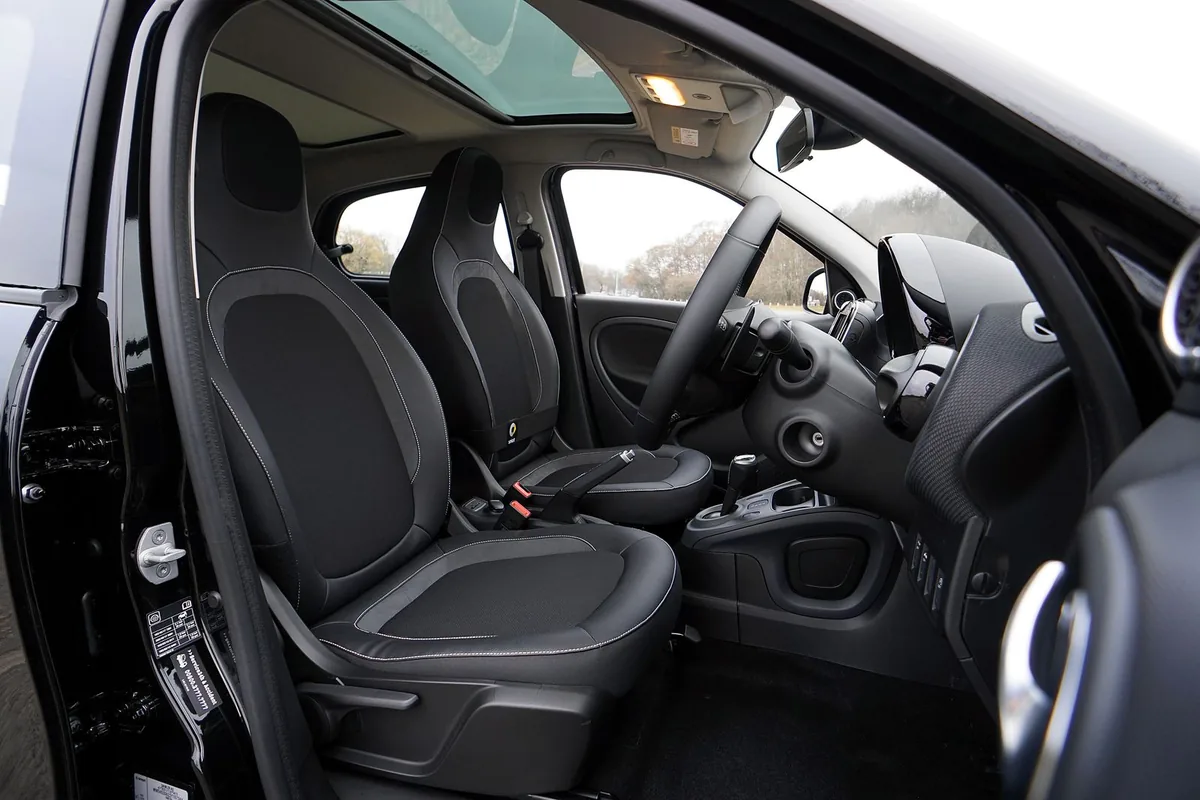
Vehicle biohazard cleanup is the safe removal and disinfection of blood, body fluids and other contaminants from the inside of a car, truck, van or bus. Cleaners treat the fluids as possible carriers of infectious germs.
If you own a vehicle in Kiel that needs biohazard car cleaning, start with one call to Kiel Biohazard Cleanup Help, and you can also get the notes insurers often request. One team covers removal, disinfection and disposal across Manitowoc County.
Even with milder July highs near 82 degrees in Kiel, a parked car traps heat, so fluid odors can still build quickly. If you were exposed to blood in a vehicle, Ascension Calumet Hospital in Chilton is the closest emergency room to ask about testing and next steps.
What vehicle biohazard cleanup covers:
Before anything is touched, the crew looks over the interior for sharp objects, hidden pooling and personal belongings.
Cleaners set up protection, seal off the working area and keep people away from the vehicle.
Contamination is removed piece by piece. Surfaces get a detailed clean followed by an EPA-registered disinfectant.
Waste is packed for regulated disposal. A final visual check makes sure nothing was missed.
Vehicle biohazard cleanup in Kiel, WI typically costs $500 to $5,000, depending on the size of the affected area and the materials involved.
Where the vehicle sits can change the price. Work in a garage is simpler than work in an open lot or tow yard.
| Type of job | Typical range |
|---|---|
| Vehicle biohazard cleanup | $500 - $5,000 |
These ranges come from published cost guides (BioCleaners Directory) and are not a quote for Kiel. Price drivers include type of interior materials, how serious the event was, time since the event, air system decontamination. For a real number, call (877) 812-4220.
Many auto insurance policies cover some losses that are not collisions, and some policies exclude cleanup. Only your policy and your insurer can say. Call before cleanup starts, take photos and keep every receipt.
A small spill on a hard surface can be cleaned with gloves, eye protection and an EPA-registered disinfectant. Do not do it with an open cut, and do not use the car until fluids that soaked into fabric are removed. For larger spills, call a cleanup team.
Call 911 first if anyone is hurt. Keep people and pets away from the vehicle, do not drive it, and do not wipe or spray the fluids. Take photos for insurance and note what the contamination touched.
Remove the source first, since the smell comes from fluid trapped in seats, carpet and seams. Surface sprays only cover it. A biohazard car cleaning team removes soaked materials, disinfects and treats odor in the cabin and vents.
Yes. Blood can carry bloodborne pathogens such as hepatitis B and HIV. Dried blood can still be hazardous, and enclosed cabins hold odor. That is why the area is cleaned with protection and disinfected.
A salvage vehicle is one an insurer has declared a total loss. Some are also tagged for contamination when blood or fluids were involved. Labels and rules vary, so ask the insurer or the state title office what applies to a specific vehicle.
One call starts the cleanup, disinfection and disposal.
Call (877) 812-4220